
14
May
Veneers vs. Dental Bonding: Which Cosmetic Fix Is Right for Your Smile at Seasons Dental
Two patients with chipped front teeth can walk out of our office with the same result and very different treatment plans. One gets dental bonding finished in a single visit for a few hundred dollars. The other gets porcelain veneers, two appointments, and a bill several times higher. Both fix the problem. They aren’t interchangeable, though, and the right choice depends on the tooth, the patient, and what “fixed” has to look like five and ten years from now. At Seasons Dental in Burley, Idaho, this is one of the more common cosmetic conversations we have.
What Each Procedure Actually Involves
Dental bonding uses tooth-colored composite resin, the same material in modern white fillings. The dentist shapes the resin directly onto the tooth, cures it with a light, and polishes it to match the surrounding enamel. The appointment usually runs 30 to 60 minutes per tooth, and most cases require little or no enamel removal.
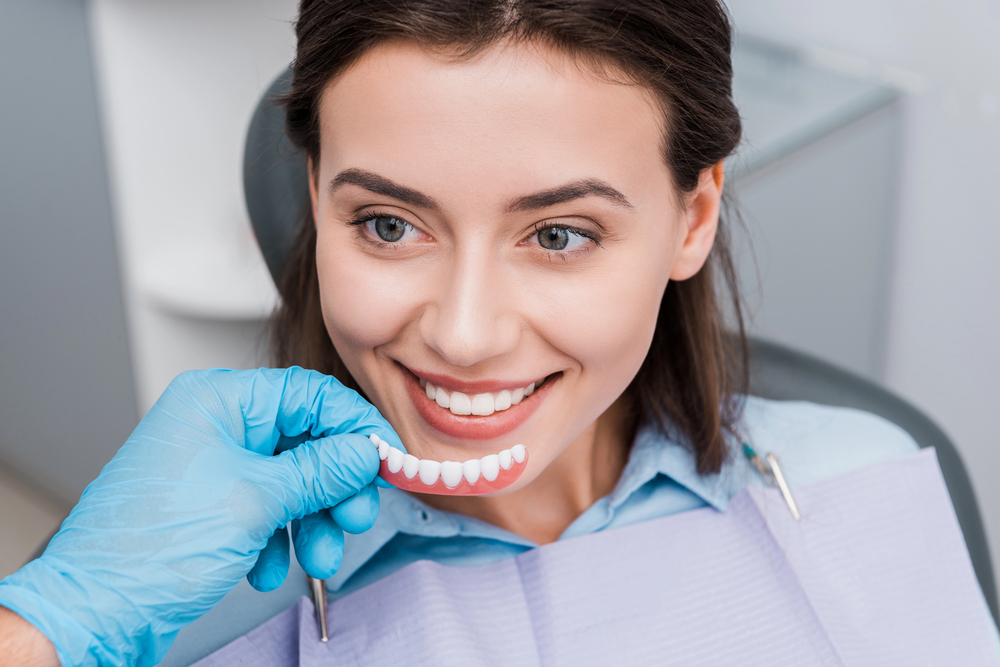
Porcelain veneers are thin shells of ceramic, custom made in a dental lab or designed in-house with digital technology. The dentist removes a small layer of enamel from the front of the tooth, around half a millimeter, takes an impression or digital scan, and bonds the finished veneer to the tooth at a second appointment. The result reflects light much like natural enamel.
The difference in chair time and material drives the rest of the trade-offs.
When Bonding Is the Smarter Choice
Bonding works best for small, localized problems on otherwise healthy teeth. A few situations where we usually recommend it:
- A single chipped corner on a front tooth from a fall or biting something hard
- A small gap between two teeth the patient wants closed without orthodontics
- Slight irregularities in a tooth’s shape, such as a worn edge or a pointed canine
- A younger patient whose tooth structure is still developing and shouldn’t be reduced
It’s also the better option when a patient wants something fast, reversible, and budget-friendly. Bonding can almost always be removed or redone without permanent loss of natural tooth.
The trade-off is durability. Composite resin stains over time, especially with coffee, tea, red wine, or tobacco, and chips more easily than porcelain. A bonded edge generally needs touch-up or replacement every five to seven years under normal wear.
When Veneers Make More Sense
Veneers do the heavy lifting when the cosmetic problem covers a larger surface or involves multiple teeth that need to look uniform.
A patient with deeply discolored teeth that don’t respond to whitening is often a veneer candidate, since porcelain masks color from underneath in a way composite can’t. Veneers also handle moderate misalignment, broken or worn teeth, and full smile makeovers where six or eight front teeth need to match in shape, color, and proportion. Up close and in photos, porcelain tends to outperform composite at faking the depth of natural enamel, and properly cared for, veneers commonly last 10 to 15 years.
The trade-offs are cost, time, and permanence. The thin layer of enamel removed during preparation is not reversible. A veneered tooth will always need a veneer or crown going forward.
The Money Question
Numbers vary by region and lab, but bonding generally runs in the low hundreds per tooth, while veneers run several times that. The honest way to compare is on a cost-per-year basis. Two cycles of bonding over a decade can add up to a meaningful percentage of one set of veneers, and the result still won’t match porcelain in stain resistance or finish. For a single small chip, bonding is usually the right financial answer. For a smile makeover, veneers tend to deliver more value per dollar over the long haul.
Living with the Result
Both options ask for the same basics: brush twice a day, floss, and avoid using your teeth as tools. A few specifics differ. Bonded teeth respond better to non-abrasive toothpaste, since the polish can dull faster with whitening pastes containing grit. Veneered teeth shouldn’t be exposed to whitening gels, which can’t lighten porcelain and may damage the bonding cement at the edges. A nightguard is wise for anyone who grinds, since composite cracks under bruxism and porcelain can chip or debond if the forces are heavy enough.
Choosing the Right Option at Seasons Dental
The best fit depends on what you’re trying to correct, how long you want the result to hold up, and how much tooth structure you’d prefer to preserve. For some patients we recommend bonding and walking them through the touch-ups ahead. For others we lay out the veneer option and explain the lab process so they know what they’re signing on for.If you’re trying to decide between the two, the team at Seasons Dental is happy to evaluate your teeth and give you an honest recommendation. Drs. Ty and Chad Bodily see cosmetic patients from Burley, Rupert, Heyburn, Paul, Oakley, and the surrounding Mini-Cassia communities. Request a consultation online whenever you’re ready.
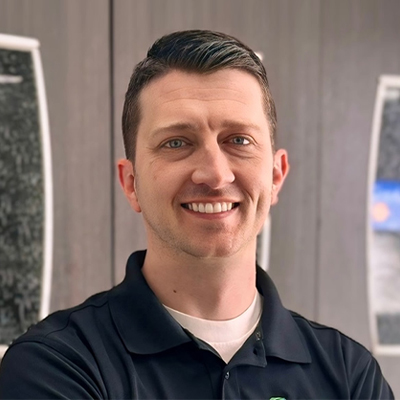
Chad Bodily, DDS
Connect on LinkedInDr. Chad Bodily, DDS, is a compassionate dentist with strong ties to the Mini-Cassia community. After graduating from Minico High School and serving a church mission in Portugal, he earned a bachelor's degree in Biology from BYU-Idaho and a Doctorate of Dental Surgery from the University of Iowa. Dr. Chad partners with his brother, Dr. Ty, to provide patient-focused care, treating everyone like family. Committed to professional growth, he is licensed in sedation dentistry, ensuring a comfortable experience for his patients. Dr. Chad values building strong patient relationships and considers his family his greatest joy and accomplishment.
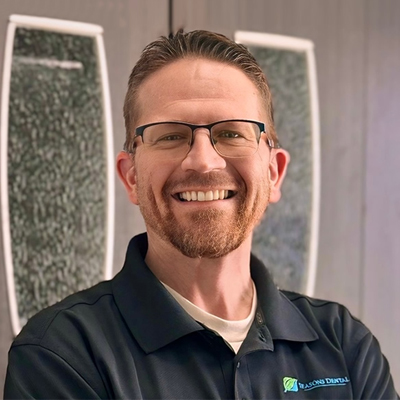
Ty Bodily, DMD
Connect on LinkedInDr. Ty Bodily, DMD, is a skilled dentist with deep roots in the Mini-Cassia area. A proud graduate of Minico High School and BYU-Idaho, he earned his Doctorate of Medical Dentistry from Nova Southeastern University in Florida. A highlight of his education was volunteering in Brazil, where he provided free dental care to underprivileged children. With post-graduate training from world-renowned experts in sedation, restorative, and cosmetic dentistry, he excels in reconstructing smiles, enhancing both health and self-esteem. Dr. Ty's passion for dentistry is matched only by his devotion to his family, whom he considers his greatest achievement and passion.