
14
May
Snoring or Sleep Apnea? Signs It’s Time to Talk to Your Dentist at Seasons Dental Instead of a Sleep Clinic
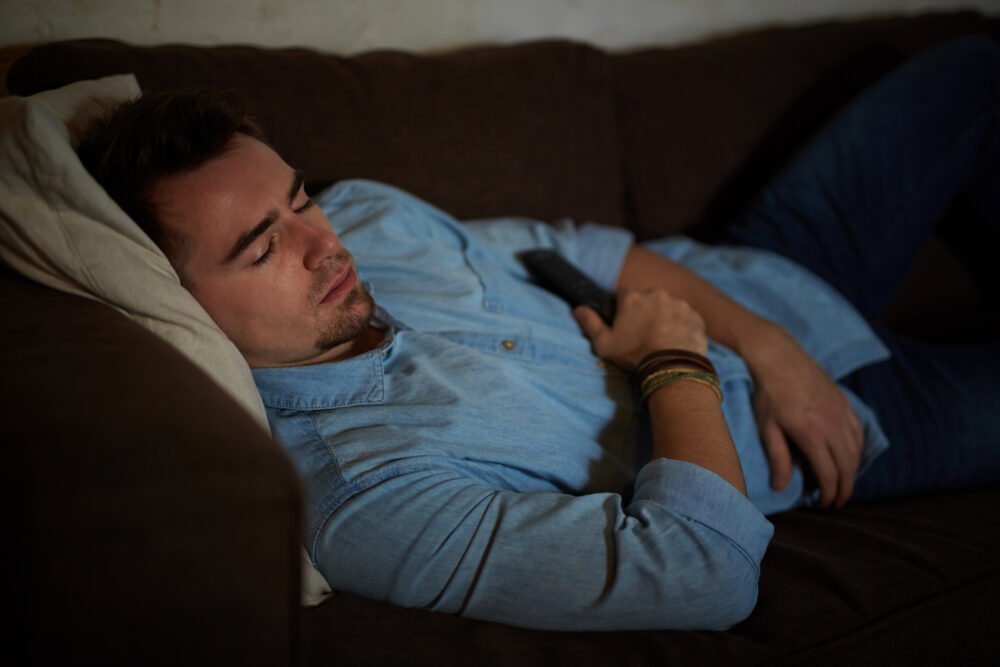
Most people don’t book a dental appointment thinking about their breathing at night. They come in for a cleaning, mention that their partner complains about snoring, and the conversation opens up from there. At Seasons Dental in Burley, Idaho, sleep-related concerns come up more often than patients expect, and for good reason. A dentist sits in a useful position to spot the airway and oral signs of obstructive sleep apnea, sometimes well before a primary care doctor would catch them.
Snoring Isn’t Always Sleep Apnea, but Sometimes It Is
Plenty of people snore. About a quarter of adults snore regularly, and most of them are simply moving air through a relaxed, partially obstructed airway. The sound is harmless on its own.
Sleep apnea is a different problem. It’s a repeated collapse of the airway during sleep, severe enough to stop breathing for seconds at a time, dozens or hundreds of times a night. The body responds by partially waking up to restart breathing, which is why people with apnea rarely feel rested no matter how long they spent in bed.
Snoring and apnea look similar from the outside. The difference is what’s happening inside the airway, and that’s hard to assess without the right evaluation.
Signs Your Snoring Deserves a Closer Look
A few patterns turn ordinary snoring into something worth investigating:
- A partner reports gasping, choking, or long pauses in your breathing at night
- Morning headaches, especially in the back of the head
- Persistent daytime sleepiness despite a full night in bed
- Falling asleep at the wheel, in meetings, or in front of the TV without meaning to
- Waking with a dry mouth or sore throat regularly
- High blood pressure that’s hard to control with medication
- Acid reflux that gets worse at night
Patients with three or more of these signs almost always have something beyond simple snoring going on. Many of them find out only because a dentist asked the right question during a routine visit.
Why a Dentist Often Notices First
Dentists examine the airway from above every six months. We see the back of the throat, the tongue’s resting position, the size of the tonsils and uvula, the shape of the palate, and the condition of the jaw. Several of those structures tie directly to apnea risk.
A high, narrow palate combined with a crowded lower jaw, for example, leaves less room for the tongue and pushes it backward during sleep. Worn flat surfaces on the molars suggest nighttime grinding, which often accompanies apnea as the body fights to keep the airway open. Scalloped edges along the side of the tongue can hint at habitual pressure against the teeth, another airway clue.
None of this replaces a sleep study. It’s information a sleep clinic doesn’t gather on its own, and it shapes which treatment is most likely to work.
What a Dentist Can Actually Do About Sleep Apnea at Seasons Dental
For patients diagnosed with mild to moderate obstructive sleep apnea, and for those whose primary snoring is disturbing a partner, oral appliance therapy is a recognized treatment. The American Academy of Sleep Medicine endorses it as a first-line option for these cases and as an alternative for patients who can’t tolerate a CPAP machine.
The device itself is a custom-fitted mouthpiece worn during sleep. It positions the lower jaw slightly forward, which opens the airway behind the tongue and reduces the collapse that drives both snoring and apnea events. Most patients adapt to it within a couple of weeks.
We fabricate these appliances after a sleep study confirms the diagnosis and the severity of the condition. The appliance is adjustable, and follow-up visits fine-tune the fit and the jaw position until breathing improves and the patient is sleeping through the night.
When the Sleep Clinic Is the Right First Stop
Severe sleep apnea, complex cases, and patients with significant cardiovascular issues need a sleep physician’s evaluation before any treatment decisions get made. A sleep study, either at home or in a lab, is also the only way to confirm the diagnosis and measure how often breathing is being interrupted each hour. We work alongside local sleep doctors and often coordinate care, with the sleep physician handling diagnosis and our office handling appliance therapy when it’s the right fit.
The point isn’t a dentist but a sleep clinic. It’s that for a lot of patients, the dentist’s chair is where the conversation actually starts.
A Practical Next Step
If snoring is affecting your sleep, your partner’s sleep, or how you feel during the day, mentioning it at your next dental visit costs nothing and might surface something worth treating. The team at Seasons Dental screens for sleep-related concerns during regular exams and works with patients across Burley, Rupert, Heyburn, Paul, Oakley, and the surrounding Mini-Cassia area. Request an appointment online to bring it up at your next visit.
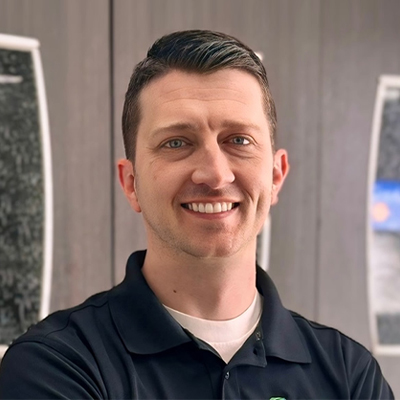
Chad Bodily, DDS
Connect on LinkedInDr. Chad Bodily, DDS, is a compassionate dentist with strong ties to the Mini-Cassia community. After graduating from Minico High School and serving a church mission in Portugal, he earned a bachelor's degree in Biology from BYU-Idaho and a Doctorate of Dental Surgery from the University of Iowa. Dr. Chad partners with his brother, Dr. Ty, to provide patient-focused care, treating everyone like family. Committed to professional growth, he is licensed in sedation dentistry, ensuring a comfortable experience for his patients. Dr. Chad values building strong patient relationships and considers his family his greatest joy and accomplishment.
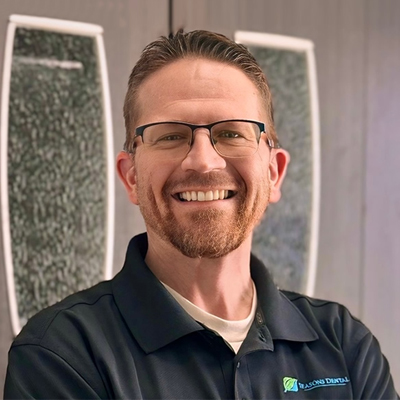
Ty Bodily, DMD
Connect on LinkedInDr. Ty Bodily, DMD, is a skilled dentist with deep roots in the Mini-Cassia area. A proud graduate of Minico High School and BYU-Idaho, he earned his Doctorate of Medical Dentistry from Nova Southeastern University in Florida. A highlight of his education was volunteering in Brazil, where he provided free dental care to underprivileged children. With post-graduate training from world-renowned experts in sedation, restorative, and cosmetic dentistry, he excels in reconstructing smiles, enhancing both health and self-esteem. Dr. Ty's passion for dentistry is matched only by his devotion to his family, whom he considers his greatest achievement and passion.