
14
May
How Long Do Dental Implants Really Last? An Honest Answer from Seasons Dental
Patients in Burley often arrive at our office with a number already in their head. They’ve read that dental implants last 25 years, or a lifetime, or 10 to 15 depending on which site they trusted. The wide spread is part of the problem. The truthful answer requires unpacking what an implant actually is, what wears out, and what doesn’t. At Seasons Dental, we’d rather walk you through the real picture than hand over a marketing number that sounds good in a brochure.
The Implant Has Two Parts, and They Don’t Age the Same
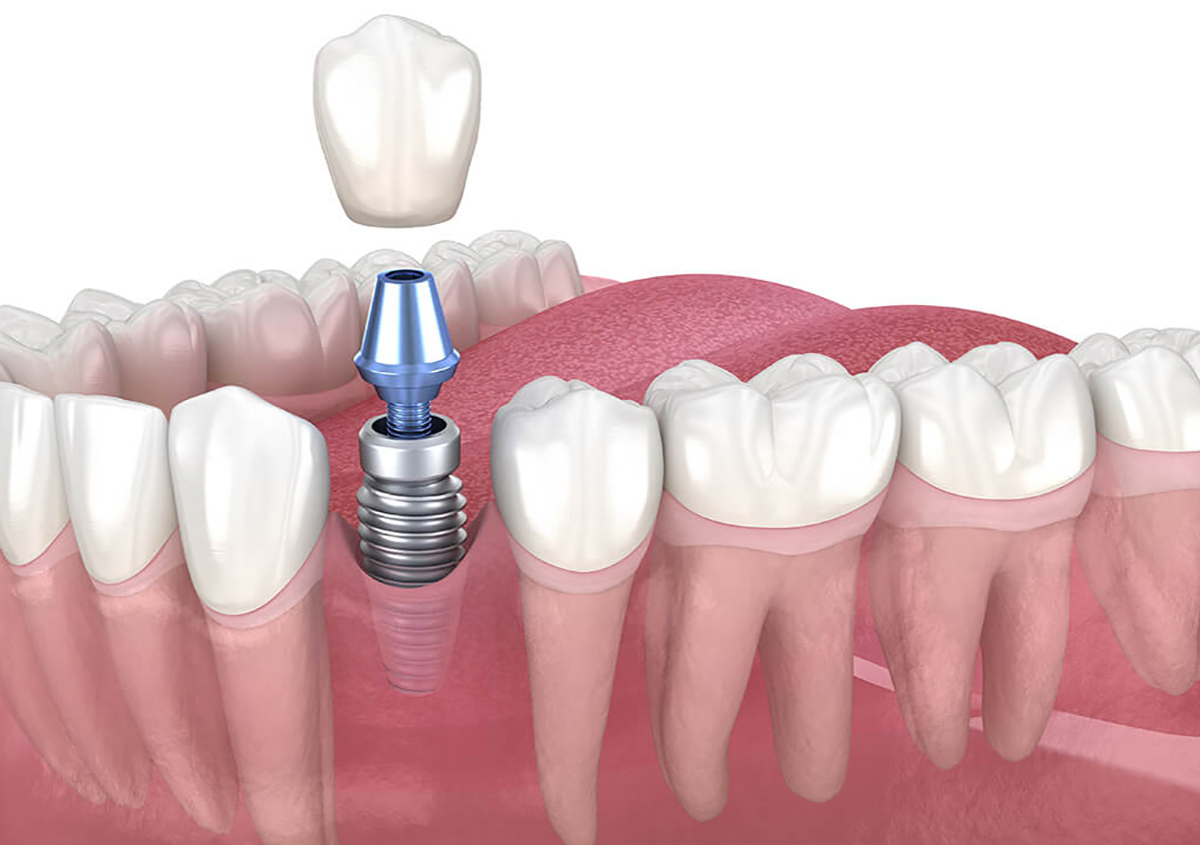
What gets called “an implant” is really three components working together. The titanium post sits in the jawbone. An abutment connects to the post above the gumline. A crown, bridge, or denture attaches to that abutment and does the chewing.
The titanium post is the piece with the longest track record. Long-term studies put its survival rate around 95 percent at ten years, and a good portion of those implants stay functional for the rest of the patient’s life. Titanium fuses with bone in a process called osseointegration, and once that bond is solid, the post behaves more like a transplanted root than a piece of removable hardware.
The crown is where most of the wear happens. Ceramic and porcelain crowns typically run 10 to 20 years before chipping, cracking, or simply showing enough wear to justify replacement. That isn’t a flaw in the design. The same thing happens to natural teeth that get a lot of use over several decades. Replacing a crown is straightforward when the implant underneath is healthy.
What Has to Go Right in the First Six Months
The riskiest window for any implant is short. Roughly 90 percent of failures happen in the first six months, while the post is still integrating with the bone.
Three things usually determine whether that window goes smoothly:
- Healthy bone at the site, or a graft to rebuild it before placement
- A clean, infection-free surgical field, which depends heavily on the patient’s oral hygiene going into surgery
- Enough rest from chewing pressure on the area while the bond forms
Patients who follow post-operative instructions, avoid tobacco, and keep their cleanings on schedule tend to clear that window without much drama. The patients who don’t are the ones who run into early problems.
What Tends to Shorten an Implant’s Lifespan
A few specific factors come up repeatedly in implant failure cases. Smoking sits at the top. Tobacco roughly doubles the failure rate by restricting blood flow to the gums and slowing healing, and even patients who consider themselves “light” smokers land in the higher-risk category.
Uncontrolled diabetes is another. Healing slows, infection risk climbs, and integration becomes less predictable. Well-managed diabetes, by contrast, doesn’t disqualify anyone from implants.
Grinding and clenching put stress on the crown and the abutment screw more than the post itself. A nightguard handles most of this. Without one, expect chips, fractures, or a loosened screw eventually.
Peri-implantitis is the late-stage threat. It looks like gum disease around the implant and slowly destroys the bone that’s holding the post in place. Bleeding when you brush near an implant, or any visible recession around it, should prompt a call to the office rather than a wait-and-see.
How We Plan for the Long Game at Seasons Dental
Our office uses a CBCT scanner to image the jaw in three dimensions before any implant is placed. The scan shows bone density, nerve location, and sinus position with a level of detail flat x-rays can’t match. We use that data to choose the right implant size, the correct angle, and a position that distributes chewing forces predictably.
Drs. Ty and Chad Bodily also build a maintenance schedule into every treatment plan. Most implant patients are seen at three, six, and twelve months after placement, then continue with standard cleanings. That cadence catches small issues before they turn into expensive ones.
Honest Expectations for Your Situation
A healthy adult with good hygiene, no tobacco use, and stable bone has every reason to expect the implant post to last the rest of their life. The crown on top will probably be replaced once, possibly twice, over a long lifespan. A patient with risk factors can still have a successful implant, though the conversation needs to include realistic timelines and a plan for the variables involved.Whether implants are right for your situation depends on bone, health history, habits, and budget. The team at Seasons Dental is happy to evaluate all of those in a single consultation and tell you honestly what to expect. We see patients from across Burley, Rupert, Heyburn, Paul, Oakley, and the broader Mini-Cassia area. Request an appointment online whenever you’re ready to start.
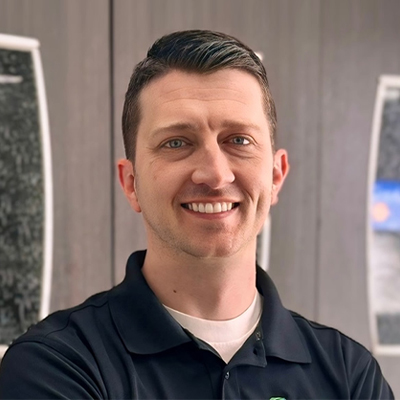
Chad Bodily, DDS
Connect on LinkedInDr. Chad Bodily, DDS, is a compassionate dentist with strong ties to the Mini-Cassia community. After graduating from Minico High School and serving a church mission in Portugal, he earned a bachelor's degree in Biology from BYU-Idaho and a Doctorate of Dental Surgery from the University of Iowa. Dr. Chad partners with his brother, Dr. Ty, to provide patient-focused care, treating everyone like family. Committed to professional growth, he is licensed in sedation dentistry, ensuring a comfortable experience for his patients. Dr. Chad values building strong patient relationships and considers his family his greatest joy and accomplishment.
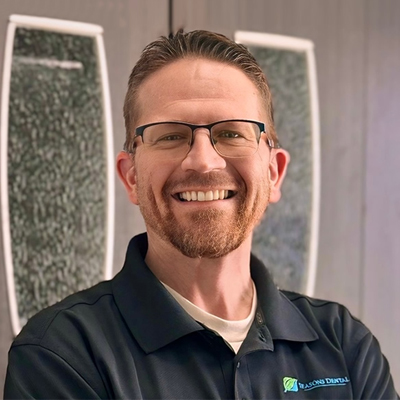
Ty Bodily, DMD
Connect on LinkedInDr. Ty Bodily, DMD, is a skilled dentist with deep roots in the Mini-Cassia area. A proud graduate of Minico High School and BYU-Idaho, he earned his Doctorate of Medical Dentistry from Nova Southeastern University in Florida. A highlight of his education was volunteering in Brazil, where he provided free dental care to underprivileged children. With post-graduate training from world-renowned experts in sedation, restorative, and cosmetic dentistry, he excels in reconstructing smiles, enhancing both health and self-esteem. Dr. Ty's passion for dentistry is matched only by his devotion to his family, whom he considers his greatest achievement and passion.