
14
May
Professional Teeth Whitening vs. Drugstore Kits: What Actually Works (and What’s Safe) at Seasons Dental
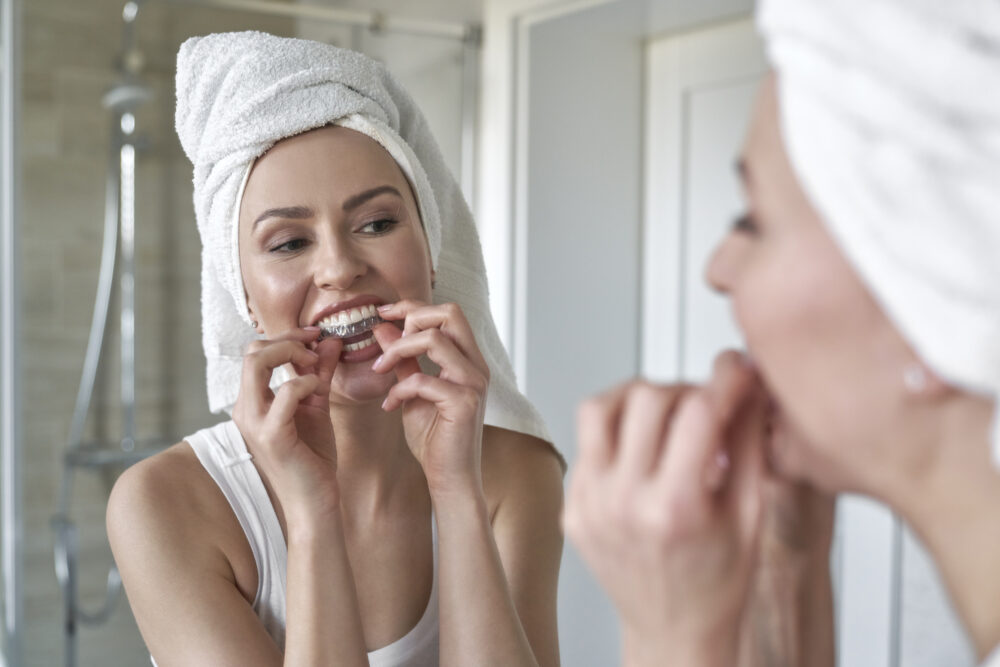
Walk down any oral care aisle and you’ll find shelves crowded with strips, trays, pens, charcoal pastes, LED mouthpieces, and toothpastes promising a brighter smile in days. Patients ask us about these products constantly. Before you spend money on the next box that catches your eye, here’s how at-home whitening actually compares to what we do for patients at Seasons Dental in Burley, Idaho, and where the safety lines fall.
Why Teeth Stain in the First Place
Discoloration usually falls into two categories. Extrinsic stains sit on the enamel surface and come from coffee, black tea, red wine, tobacco, dark sodas, berries, and curry-heavy foods. Intrinsic stains live deeper, inside the dentin layer, and develop from aging, certain medications (tetracycline is a well-known culprit), excess fluoride during childhood, or trauma to a tooth.
Most over-the-counter products only address surface stains. That distinction matters when you’re choosing how to whiten, because no amount of charcoal paste will lift discoloration coming from inside the tooth.
What’s Inside Drugstore Whitening Kits
The active ingredient in nearly every legitimate whitening product, store-bought or professional, is either hydrogen peroxide or carbamide peroxide. The real difference comes down to concentration and delivery.
Retail strips and gels typically contain 3 to 10 percent hydrogen peroxide. They’re designed for unsupervised use, which means the formula errs on the side of caution. Results show up gradually over two to four weeks, and the improvement is usually modest, somewhere around two to four shades on the standard whitening guide.
A few common issues we see with at-home kits:
- Uneven results from strips that don’t fully conform to crooked or rotated teeth
- Gum irritation when peroxide gel leaks past poorly fitted trays
- Lingering sensitivity, sometimes for weeks, from products used too often or left on too long
- Disappointment when whitening fails to lighten crowns, veneers, or composite fillings, which never respond to bleaching agents
Charcoal-based pastes deserve their own warning. The American Dental Association has not granted charcoal whitening products its Seal of Acceptance, and there’s growing evidence the abrasiveness wears down enamel over time without delivering meaningful results.
How In-Office Whitening Works at Seasons Dental
Professional whitening uses the same chemistry, just at clinical strength. In-office gels contain peroxide concentrations between 25 and 40 percent, which is why they’re applied by a trained team and not sold over the counter.
Before any whitening begins, we examine your teeth and gums. Active decay, untreated gum disease, exposed roots, or cracked enamel can all turn a whitening session into a painful experience, so those issues get addressed first. We then isolate the gums with a protective barrier, apply the gel in measured layers, and monitor the process from start to finish. Most patients leave a single visit several shades lighter than when they walked in.
For patients who prefer to whiten at home but want results beyond what drugstore shelves can deliver, we also make custom-fitted take-home trays. These hold the gel evenly against the teeth, protect the gums, and use a stronger formulation than anything sold retail.
Safety, Sensitivity, and Realistic Expectations
Tooth sensitivity is the most common side effect of any whitening method. It happens because peroxide temporarily opens the tubules in dentin, exposing nerve endings to temperature changes. A clinical setting gives us room to adjust concentration, shorten exposure time, or pair the session with desensitizing agents, options you don’t have with a boxed kit.
Whitening also isn’t a one-time event. Coffee drinkers, smokers, and patients with naturally porous enamel see staining return faster than others. A touch-up every six to twelve months keeps the result consistent.
If you’re planning around a wedding, reunion, or family photos, give yourself at least two weeks of lead time. That allows any sensitivity to settle and lets the final shade stabilize.
Making the Right Choice for Your Smile
Drugstore kits have a place. For mild surface staining and a patient with healthy teeth and gums, a name-brand strip used as directed can produce a noticeable lift. The trouble starts when those products are used to chase results they were never designed to deliver, or when an underlying dental issue turns a cosmetic project into a sore mouth.For deeper stains, faster results, or a smile that has crowns, bonding, or older fillings in the mix, an in-person evaluation will save time and money. The team at Seasons Dental serves patients across Burley, Rupert, Heyburn, Paul, Oakley, and the wider Mini-Cassia area, and we’re happy to walk you through which option fits your teeth, your budget, and the result you’re after. Request an appointment online to start the conversation.
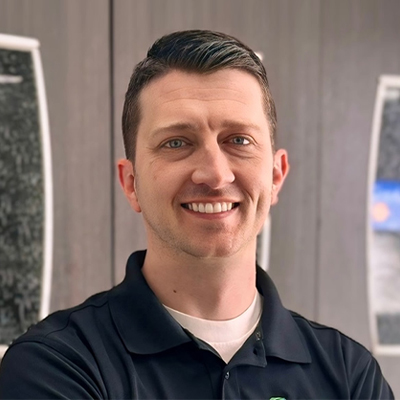
Chad Bodily, DDS
Connect on LinkedInDr. Chad Bodily, DDS, is a compassionate dentist with strong ties to the Mini-Cassia community. After graduating from Minico High School and serving a church mission in Portugal, he earned a bachelor's degree in Biology from BYU-Idaho and a Doctorate of Dental Surgery from the University of Iowa. Dr. Chad partners with his brother, Dr. Ty, to provide patient-focused care, treating everyone like family. Committed to professional growth, he is licensed in sedation dentistry, ensuring a comfortable experience for his patients. Dr. Chad values building strong patient relationships and considers his family his greatest joy and accomplishment.
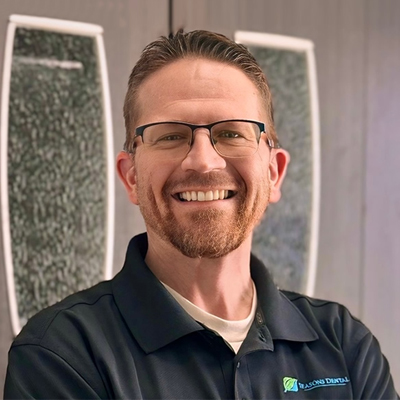
Ty Bodily, DMD
Connect on LinkedInDr. Ty Bodily, DMD, is a skilled dentist with deep roots in the Mini-Cassia area. A proud graduate of Minico High School and BYU-Idaho, he earned his Doctorate of Medical Dentistry from Nova Southeastern University in Florida. A highlight of his education was volunteering in Brazil, where he provided free dental care to underprivileged children. With post-graduate training from world-renowned experts in sedation, restorative, and cosmetic dentistry, he excels in reconstructing smiles, enhancing both health and self-esteem. Dr. Ty's passion for dentistry is matched only by his devotion to his family, whom he considers his greatest achievement and passion.