

12
Mar
Porcelain Veneers vs. Dental Bonding: Which Cosmetic Option Is Right for You?
Cosmetic dentistry rarely has a single right answer. Two patients can walk in with nearly identical concerns about their smile and leave with completely different treatment plans, both of which make sense. At Seasons Dental in Burley, Idaho, porcelain veneers and dental bonding are among the most requested cosmetic treatments we offer, and the question of which one fits a particular patient comes down to a handful of factors that are worth understanding before you make a decision.
What Each Treatment Actually Does
Dental bonding uses a tooth-colored composite resin applied directly to the surface of the tooth. The dentist shapes and sculpts the material by hand, then hardens it with a curing light. The whole process typically takes one appointment and requires little to no removal of existing tooth structure.
Porcelain veneers are thin shells of ceramic custom-fabricated to fit over the front surface of a tooth. Getting veneers requires a small amount of enamel to be removed so the shells sit flush with surrounding teeth. Impressions are taken, the veneers are made in a lab, and they are bonded permanently at a follow-up appointment.
Both treatments can address chips, gaps, discoloration, and minor shape irregularities. Where they differ is in durability, appearance, cost, and how much commitment they require.
When Bonding Makes More Sense
Bonding is well suited for patients with minor cosmetic concerns who want a straightforward, conservative fix. A small chip on a front tooth, a slight gap between two teeth, or a discolored spot that whitening cannot reach are all situations where bonding performs well and saves the patient time and cost.
The material bonds directly to the tooth without the preparation process veneers require, which makes it appealing for younger patients or anyone who wants to preserve as much natural tooth structure as possible. It is also easier to repair if it chips or wears down over time since additional composite can be added without redoing the entire restoration.
The tradeoff is longevity. Composite resin is durable, but it does not hold up as long as porcelain under the daily pressure of chewing, and it is more prone to staining from coffee, tea, and red wine over the years. Most bonding lasts somewhere between five and ten years before it needs to be refreshed or replaced.
When Veneers Are the Better Fit
Porcelain veneers are the stronger choice when a patient is looking for a more comprehensive transformation or wants results that hold up for a longer period. Porcelain is harder than composite resin, more resistant to staining, and reflects light in a way that closely mimics natural enamel. A well-placed veneer is very difficult to distinguish from a natural tooth.
Patients who have multiple teeth with consistent cosmetic concerns, whether that is uneven sizing, deep intrinsic staining that does not respond to whitening, or worn edges across several teeth, tend to see better outcomes with veneers than with bonding. The uniformity of a lab-fabricated shell is simply more predictable across a full smile than hand-sculpted resin applied tooth by tooth.
Veneers typically last 10 to 20 years with proper care. Because some enamel is removed during preparation, the process is considered irreversible. That permanence is something every patient should think through carefully before committing.
The Role of Your Existing Teeth
The condition of your teeth plays a meaningful role in which option is appropriate. Patients with significant decay, gum disease, or weakened enamel are generally not good candidates for either treatment until those underlying issues are resolved. Cosmetic work placed on an unhealthy foundation does not hold well and can mask problems that need direct attention.
Tooth position also matters. Bonding can handle minor alignment issues and small gaps, but it has limits. Patients with more pronounced spacing or bite problems may find that orthodontic treatment addresses the root cause more effectively than a cosmetic overlay.
Cost and Commitment
Bonding costs less per tooth and requires a single visit. Veneers involve a higher upfront investment and multiple appointments, but the longevity often offsets that over time for patients who factor in the cost of redoing bonding every several years.
Neither treatment is universally better. The right choice depends on what you are trying to correct, how long you want it to last, and how much natural tooth structure you want to preserve in the process.
Getting the Right Answer for Your Smile
The most useful thing you can do before deciding is have a conversation with your dentist about what you actually want to change. At Seasons Dental, that conversation includes a thorough look at the health of your teeth and an honest assessment of what each option can realistically deliver. Some patients come in expecting veneers and leave with a bonding plan that solves the problem more simply. Others come in thinking bonding will be enough and discover that veneers are actually the more practical long-term choice.
There is no substitute for that evaluation. Seasons Dental is ready to walk you through both options and help you figure out which one fits your smile, your timeline, and your goals.
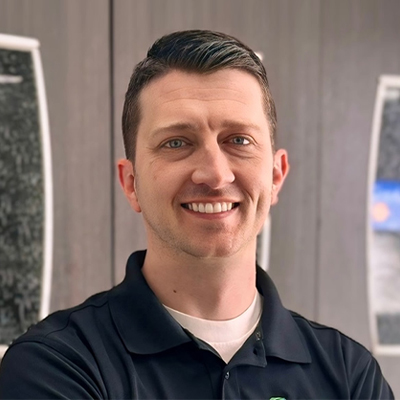
Chad Bodily, DDS
Connect on LinkedInDr. Chad Bodily, DDS, is a compassionate dentist with strong ties to the Mini-Cassia community. After graduating from Minico High School and serving a church mission in Portugal, he earned a bachelor's degree in Biology from BYU-Idaho and a Doctorate of Dental Surgery from the University of Iowa. Dr. Chad partners with his brother, Dr. Ty, to provide patient-focused care, treating everyone like family. Committed to professional growth, he is licensed in sedation dentistry, ensuring a comfortable experience for his patients. Dr. Chad values building strong patient relationships and considers his family his greatest joy and accomplishment.
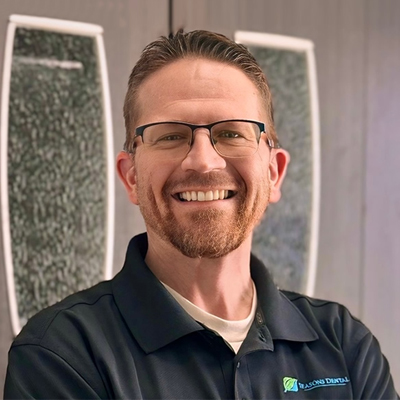
Ty Bodily, DMD
Connect on LinkedInDr. Ty Bodily, DMD, is a skilled dentist with deep roots in the Mini-Cassia area. A proud graduate of Minico High School and BYU-Idaho, he earned his Doctorate of Medical Dentistry from Nova Southeastern University in Florida. A highlight of his education was volunteering in Brazil, where he provided free dental care to underprivileged children. With post-graduate training from world-renowned experts in sedation, restorative, and cosmetic dentistry, he excels in reconstructing smiles, enhancing both health and self-esteem. Dr. Ty's passion for dentistry is matched only by his devotion to his family, whom he considers his greatest achievement and passion.