
19
Mar
Knocked Out a Tooth? Here’s What to Do in the Next 30 Minutes
A knocked-out tooth is one of the few dental situations where the clock is genuinely running. At Seasons Dental in Burley, Idaho, we treat dental emergencies regularly, and one thing holds true almost every time: what you do in the first 30 minutes after losing a tooth determines whether it can be saved. Most people freeze or reach for the wrong solution. This guide walks you through exactly what to do.
Find the Tooth and Handle It Correctly
The first thing to do is locate the tooth. Pick it up by the crown, which is the white part you normally see in the mouth. Do not touch the root. The root surface contains periodontal ligament cells that make reimplantation possible, and those cells are fragile. Squeezing, scrubbing, or even holding the root too long can damage them beyond recovery.
If the tooth has dirt or debris on it, rinse it briefly under cold water. Do not scrub it, wrap it in a paper towel, or let it dry out. A dry tooth loses viability fast.
Keep the Tooth Moist
This step is where most people go wrong. The tooth needs to stay wet from the moment it leaves your mouth until a dentist can assess it. The best option is to place it back in the socket immediately. Gently press it into position with light finger pressure, then bite down softly on a clean cloth to hold it in place while you get to the office.
If reinserting it is not possible, tuck the tooth between your cheek and gum. Saliva is a reasonable short-term storage medium because it maintains the moisture and pH the root cells need.
If neither of those options feels manageable, place the tooth in a small container of cold milk. Milk works well because its osmotic balance is close enough to the cells on the root surface that it slows deterioration significantly. Plain water is a last resort and not ideal for longer windows of time.
Call the Dental Office Immediately
While someone handles the tooth, another person should be calling for an emergency appointment. Do not wait to see how you feel or assume it can wait until the next morning. Reimplantation success drops sharply after 30 minutes out of the socket and continues declining from there. After an hour or two, the odds of saving the tooth fall considerably.
Seasons Dental sees emergency patients and understands that injuries like this do not follow a schedule.
What Not to Do
A few common instincts will make things worse. Do not rinse the tooth with hydrogen peroxide, alcohol, or any disinfectant. Do not wrap it in tissue or let it sit on a dry surface while you figure out your next move. Do not give a child a knocked-out baby tooth back into the socket, as this can interfere with the permanent tooth developing underneath.
If It Is a Child’s Tooth
The guidance above applies specifically to permanent teeth. With baby teeth, the priority shifts. Reimplantation is generally not recommended, but prompt dental evaluation still matters to rule out damage to the jaw and the developing tooth below the surface.
What Happens at the Dental Office
Once you arrive, the dentist will assess the tooth and the socket. If the tooth is viable and the timing is right, reimplantation is performed, and a splint is placed to stabilize the tooth while healing occurs. The tooth will be monitored over subsequent weeks. In some cases, root canal therapy is needed afterward to address the pulp, which can be affected by the injury.
If reimplantation is not possible, the team will discuss tooth replacement options including dental implants, which are designed to look and function like natural teeth.
Getting to Care Fast Is the Treatment
There is no home remedy that saves a knocked-out tooth. Keeping it moist, avoiding the root surface, and reaching a dentist within 30 minutes are the only variables that matter. Everything else, including pain management and long-term restoration, comes after those three things.
If you or someone with you loses a permanent tooth, do not search for answers. Handle the tooth carefully, keep it wet, and get to Seasons Dental as quickly as possible. Acting fast is the most important thing you can do.
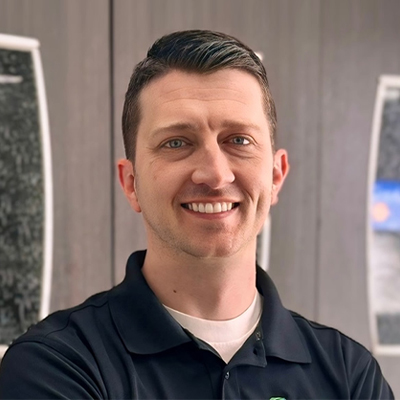
Chad Bodily, DDS
Connect on LinkedInDr. Chad Bodily, DDS, is a compassionate dentist with strong ties to the Mini-Cassia community. After graduating from Minico High School and serving a church mission in Portugal, he earned a bachelor's degree in Biology from BYU-Idaho and a Doctorate of Dental Surgery from the University of Iowa. Dr. Chad partners with his brother, Dr. Ty, to provide patient-focused care, treating everyone like family. Committed to professional growth, he is licensed in sedation dentistry, ensuring a comfortable experience for his patients. Dr. Chad values building strong patient relationships and considers his family his greatest joy and accomplishment.
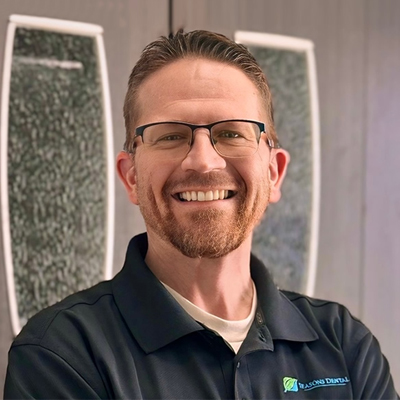
Ty Bodily, DMD
Connect on LinkedInDr. Ty Bodily, DMD, is a skilled dentist with deep roots in the Mini-Cassia area. A proud graduate of Minico High School and BYU-Idaho, he earned his Doctorate of Medical Dentistry from Nova Southeastern University in Florida. A highlight of his education was volunteering in Brazil, where he provided free dental care to underprivileged children. With post-graduate training from world-renowned experts in sedation, restorative, and cosmetic dentistry, he excels in reconstructing smiles, enhancing both health and self-esteem. Dr. Ty's passion for dentistry is matched only by his devotion to his family, whom he considers his greatest achievement and passion.