
02
Apr
Dental Implant Recovery: What to Expect Week by Week, From the Team at Seasons Dental
Most patients walk into a dental implant consultation with one big question on their mind: how long until life feels normal again. The team at Seasons Dental in Burley, Idaho hears it daily, and the honest answer is that recovery moves in stages. Some patients are back to work the next day. Others need a slower start. Knowing what each week typically looks like makes the process feel less mysterious and helps you spot anything that needs attention early.
The First 24 to 48 Hours
The hours right after surgery are when the foundation of your recovery is set. Bleeding usually slows within the first few hours. Swelling tends to peak around day two or three, not the day of the procedure, which surprises many patients. Bruising under the chin or along the jawline can show up around the same time and is normal.
Cold compresses on the cheek for short intervals during the first day help control swelling. Sleeping with your head slightly elevated for the first two nights makes a noticeable difference. Stick to soft, cool foods like yogurt, smoothies, mashed potatoes, and lukewarm broth. Hot liquids, straws, smoking, and vigorous rinsing should be avoided because all four can disturb the blood clot forming around the implant.
Mild to moderate discomfort is expected and usually responds well to the medication your dentist prescribes. Pain that intensifies after day three rather than easing is the kind of change worth a phone call.
Week One: Settling In
By the end of the first week, most patients feel close to themselves again. Swelling drops noticeably, bruising fades, and the surgical site begins to look less raw. Sutures, if used, are often dissolvable, but some types are removed at a follow-up around day seven to ten.
Eating becomes easier. Soft foods are still the rule, but you can expand into things like scrambled eggs, well-cooked pasta, soft fish, and overripe bananas. Chewing should still happen on the opposite side of the mouth from the implant.
Oral hygiene matters more than people expect during this stretch. Gentle saltwater rinses several times a day, usually starting 24 hours after surgery, keep the area clean. Brushing other teeth normally is fine. The implant site itself should be cleaned according to the specific instructions you were given, since technique varies based on the type of implant and whether bone grafting was involved.
Weeks Two and Three: The Quiet Phase
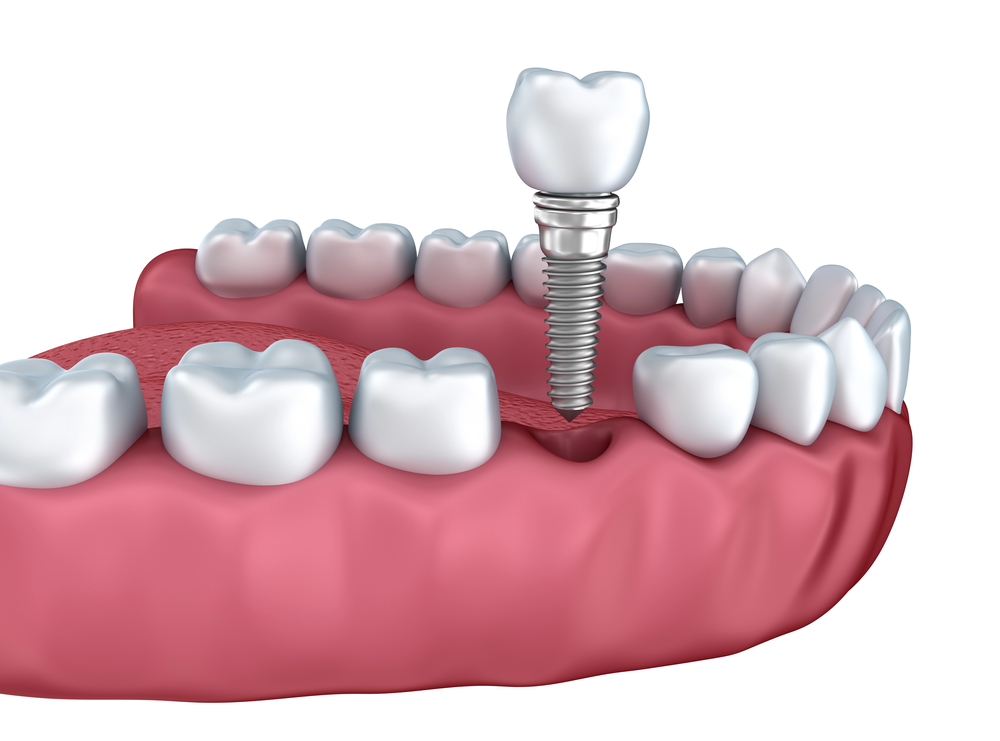
The second and third weeks are often the easiest part of the process and the most overlooked. Visible signs of healing fade, and most patients return to a fully normal routine. Underneath the gums, however, something important is happening. The bone is starting the long process of fusing to the implant, called osseointegration. This is the phase that ultimately decides whether the implant lasts decades or fails.
Habits matter here. Smoking dramatically slows osseointegration and is the single most common reason implants do not integrate properly. Heavy alcohol use and uncontrolled blood sugar in diabetic patients have similar effects. Patients who follow their post-op instructions during this quiet phase tend to have the smoothest long-term outcomes.
You can usually return to light exercise around two weeks. High-impact workouts, contact sports, and heavy lifting should wait closer to three to four weeks, depending on how the surgery went and what your dentist recommends.
Weeks Four Through Twelve: Bone Integration
This is the longest stretch of the recovery and the least dramatic. Externally, you feel fine. Internally, the bone is locking onto the implant surface. For most patients, this process takes between three and six months, with the bulk of integration happening in the first three.
During this period, you eat normally, brush and floss normally, and live normally. Routine cleanings continue. The only meaningful restriction is avoiding hard, crunchy foods directly on the implant site, since the final crown or bridge has not yet been placed.
Some patients receive a temporary crown or restoration during this phase. Others wear nothing on the implant while it heals. Both approaches are common and depend on the location of the implant and your specific treatment plan.
When the Final Restoration Goes On
Once integration is confirmed, usually through an exam and sometimes imaging, the final crown, bridge, or denture is attached. This appointment is short, comfortable, and is the moment most patients describe as the real finish line. The implant now functions like a natural tooth.
A few days of getting used to the new bite is normal. Minor adjustments are common and quick.
Signs to Call Your Dentist
Most recoveries proceed without complications. A few changes warrant a call: pain that worsens after day three, swelling that increases instead of decreases after day four, fever, persistent bleeding past the first day, a loose feeling in the implant, or numbness that does not fade. Catching problems early almost always means easier solutions.
Healing With Confidence at Seasons Dental
Dental implant recovery is more about consistency than effort. Following instructions, protecting the site, and staying in touch with your dentist through each phase produces the best results. The team at Seasons Dental walks every implant patient through what to expect and is available between visits when questions come up. If you are considering a dental implant or are early in your recovery and want clearer guidance, schedule a visit and let the team help you heal with confidence.
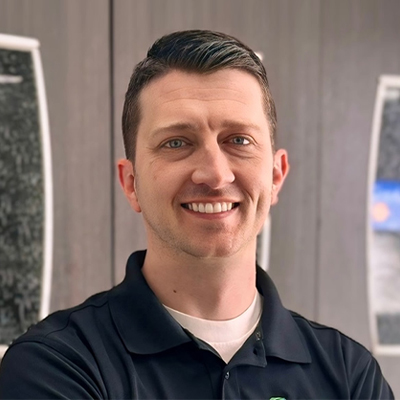
Chad Bodily, DDS
Connect on LinkedInDr. Chad Bodily, DDS, is a compassionate dentist with strong ties to the Mini-Cassia community. After graduating from Minico High School and serving a church mission in Portugal, he earned a bachelor's degree in Biology from BYU-Idaho and a Doctorate of Dental Surgery from the University of Iowa. Dr. Chad partners with his brother, Dr. Ty, to provide patient-focused care, treating everyone like family. Committed to professional growth, he is licensed in sedation dentistry, ensuring a comfortable experience for his patients. Dr. Chad values building strong patient relationships and considers his family his greatest joy and accomplishment.
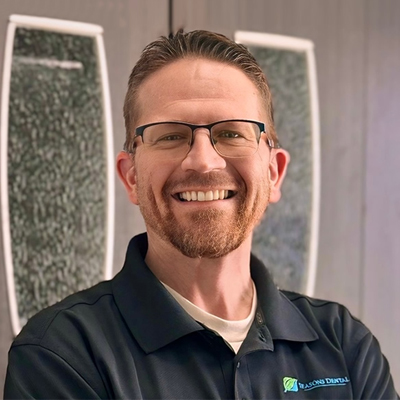
Ty Bodily, DMD
Connect on LinkedInDr. Ty Bodily, DMD, is a skilled dentist with deep roots in the Mini-Cassia area. A proud graduate of Minico High School and BYU-Idaho, he earned his Doctorate of Medical Dentistry from Nova Southeastern University in Florida. A highlight of his education was volunteering in Brazil, where he provided free dental care to underprivileged children. With post-graduate training from world-renowned experts in sedation, restorative, and cosmetic dentistry, he excels in reconstructing smiles, enhancing both health and self-esteem. Dr. Ty's passion for dentistry is matched only by his devotion to his family, whom he considers his greatest achievement and passion.