
10
Aug
Mouthguards for Bobcat Athletes: Why the $3 Boil-and-Bite Isn’t Enough
Fall practices start in August, and the mouthguard question usually gets settled in a checkout line about a week beforehand. That decision comes back to us at Seasons Dental in October and November, when a Burley athlete shows up with a fractured front tooth and a guard that had been sitting in the bottom of a gear bag, chewed halfway through. A knocked-out permanent tooth is one of the few sports injuries a parent can prevent outright for less than the cost of a pair of cleats.
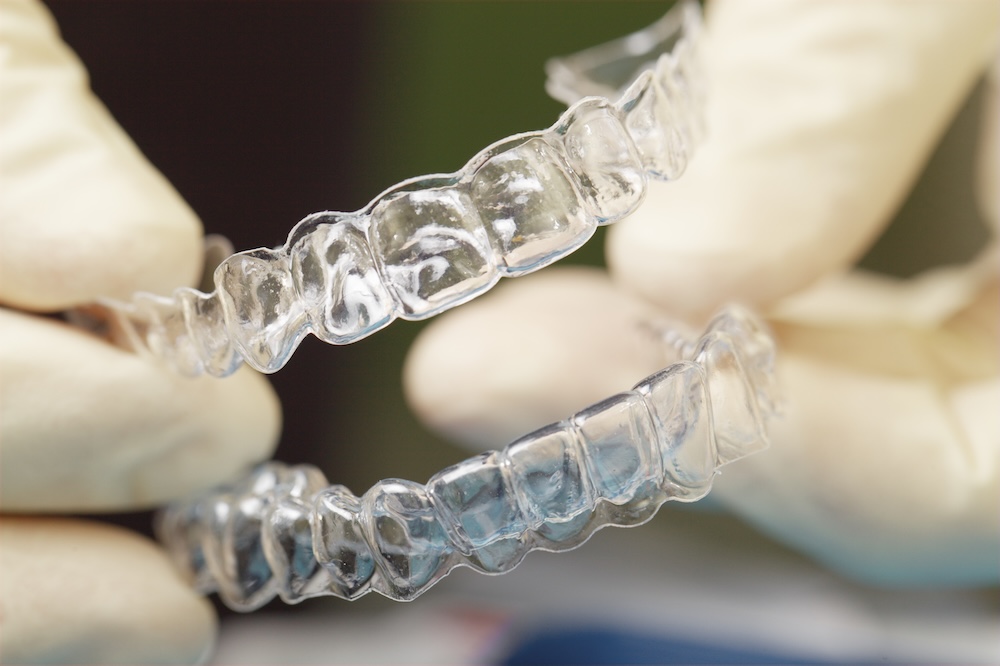
A mouthguard is a piece of ethylene vinyl acetate, a soft plastic, that sits over the upper teeth and absorbs force before it reaches enamel, lip, and jaw. All three kinds do that to some degree. They do not do it equally.
Which Idaho high school sports actually require one?
Idaho high schools follow National Federation of State High School Associations playing rules, and the NFHS mandates a tooth and mouth protector in football, ice hockey, lacrosse, and field hockey. Wrestling requires one only for athletes wearing braces or a fixed appliance.
Basketball, soccer, softball, baseball, and volleyball carry no mandate, which is where the gap shows up. The American Dental Association recommends mouthguards for roughly two dozen activities, basketball and soccer among them, because elbows and shoulders at speed do more dental damage than most parents expect. Our busiest month for chipped incisors is not football season.
What is actually wrong with a boil-and-bite?
It thins out exactly where you need it. You drop the guard in hot water, bite down, and the biting pressure squeezes material away from the front and top surfaces of the teeth, which are the surfaces taking the hit. The Academy for Sports Dentistry calls for a properly fitted guard with adequate thickness across the labial surfaces, generally cited at around 3 millimeters. Boil-and-bite guards routinely finish well under that after a home fitting, and there is no way to check.
The second problem is behavioral. A guard that does not stay put gets chewed loose, pushed out with the tongue, or parked on the facemask during a possession. Athletes wear what fits, and coaches spend less time on reminders when the guard is not annoying.
What does a custom mouthguard cost?
Expect somewhere in the range of $150 to $500 depending on thickness, lamination, and whether it is a single sport guard or built for contact play. That is real money next to a $3 stock guard.
Set it against the alternative. A knocked-out permanent tooth in a fifteen-year-old is not a one-time repair. Implants are generally deferred until jaw growth finishes in the late teens or early twenties, so the interim years mean a bonded bridge or a partial, followed by an implant and crown that commonly runs $3,000 to $5,000, followed by crown replacements across a lifetime. Dental insurance treats most of it as a major service with an annual maximum that will not cover it.
What if my athlete has braces?
Braces change the equation and a standard boil-and-bite becomes a poor idea. Molding hot plastic over brackets can lock the guard onto the appliance, and as teeth move the fit that took an evening to create stops matching the mouth within weeks.
Orthodontic mouthguards are built with channels that clear the brackets and cushion the lips and cheeks, which is where most orthodontic sports injuries actually happen. Lacerations from a bracket driven into the inner lip are common and messy. Retainers and clear aligners are not substitutes. Hard acrylic can crack under impact and send fragments into soft tissue.
How the fitting works at Seasons Dental
We take a digital scan or an alginate impression of the upper arch, which takes a few minutes in the chair, then pour or print a model and form the guard over it under heat and pressure. Turnaround is usually one to two weeks, so late July and early August are the right window before fall practices. Pressure-laminated guards for contact sports are built in layers rather than vacuum formed from one sheet, and they hold thickness better over a season. You can see the rest of what we offer at Seasons Dental.
Plan on replacing a guard each season while a child is still growing, and sooner if new molars have come in or a guard has been bitten through. Rinse it in cold water after practice, brush it occasionally without toothpaste since the abrasives scratch the surface, and store it in a vented case. Never leave one on a dashboard in July. EVA distorts in that heat and the fit is gone.
One honest caveat: mouthguards reliably protect teeth, lips, and the jaw, but the evidence that they prevent concussions is not settled. Buy one for the reason it works.
Get the scan done before two-a-days start. Schedule a mouthguard fitting with Seasons Dental and your athlete will have something that stays in, holds up through the season, and costs a fraction of what a broken front tooth will.
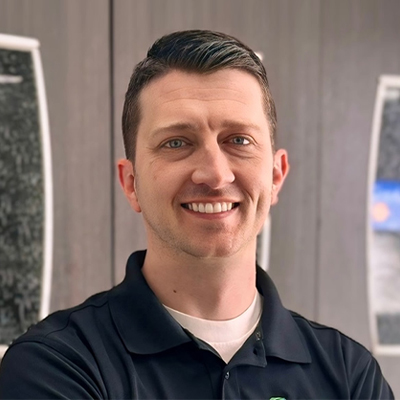
Chad Bodily, DDS
Connect on LinkedInDr. Chad Bodily, DDS, is a compassionate dentist with strong ties to the Mini-Cassia community. After graduating from Minico High School and serving a church mission in Portugal, he earned a bachelor's degree in Biology from BYU-Idaho and a Doctorate of Dental Surgery from the University of Iowa. Dr. Chad partners with his brother, Dr. Ty, to provide patient-focused care, treating everyone like family. Committed to professional growth, he is licensed in sedation dentistry, ensuring a comfortable experience for his patients. Dr. Chad values building strong patient relationships and considers his family his greatest joy and accomplishment.
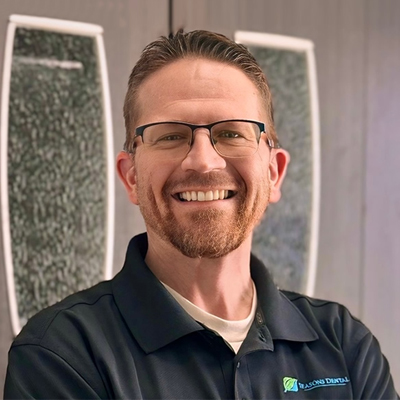
Ty Bodily, DMD
Connect on LinkedInDr. Ty Bodily, DMD, is a skilled dentist with deep roots in the Mini-Cassia area. A proud graduate of Minico High School and BYU-Idaho, he earned his Doctorate of Medical Dentistry from Nova Southeastern University in Florida. A highlight of his education was volunteering in Brazil, where he provided free dental care to underprivileged children. With post-graduate training from world-renowned experts in sedation, restorative, and cosmetic dentistry, he excels in reconstructing smiles, enhancing both health and self-esteem. Dr. Ty's passion for dentistry is matched only by his devotion to his family, whom he considers his greatest achievement and passion.