
12
Jul
Seasons Dental: Traditional Dentures vs. Implant-Supported Dentures: Which Fits Your Lifestyle?
Replacing missing teeth is about more than restoring your smile. It affects how you eat, speak, and feel in everyday situations. At Seasons Dental, patients often ask whether traditional dentures or implant-supported dentures are the better long-term solution. Both options restore function and appearance, but they differ in comfort, stability, maintenance, and cost. Understanding those differences can help you choose a treatment that matches your lifestyle, oral health, and future goals.
Understanding Traditional Dentures
Traditional dentures have helped people replace multiple missing teeth for generations. They are removable prosthetic appliances that rest on the gums and are custom-made to fit your mouth. Complete dentures replace all teeth in the upper or lower arch, while partial dentures fill gaps when some natural teeth remain.
Today’s dentures are more natural-looking than those made decades ago. Advances in materials and fabrication techniques have improved their appearance and fit, allowing many patients to smile and speak with confidence.
Traditional dentures remain a practical choice for patients who:
- Need to replace all or most of their teeth
- Prefer a non-surgical treatment
- Have experienced significant tooth loss
- Are looking for a more affordable replacement option
Although dentures restore appearance and chewing ability, they rely on the shape of the gums and underlying bone for support. As the jaw naturally changes over time, periodic adjustments or replacement may be needed to maintain a comfortable fit.
How Implant-Supported Dentures Work
Implant-supported dentures combine the coverage of a denture with the stability of dental implants. Small titanium implant posts are surgically placed into the jawbone, where they gradually fuse with the bone during healing. Once integrated, the denture attaches securely to the implants rather than resting only on the gums.
Depending on your treatment plan, implant-supported dentures may be removable for cleaning or permanently fixed in place by your dentist.
For many patients, this added stability creates a noticeable improvement in daily comfort.
Why Many Patients Choose Implant-Supported Dentures
One of the biggest differences between the two options is how securely they stay in place.
Greater Stability While Eating
Traditional dentures can sometimes shift during meals, particularly when chewing firmer foods. Implant-supported dentures remain anchored to the jaw, allowing many patients to enjoy a wider variety of foods with greater confidence.
This increased stability can make everyday meals feel more comfortable and predictable.
Improved Speaking Confidence
Loose dentures occasionally move while talking, especially during conversations that require extended speaking.
Because implant-supported dentures are firmly attached, many patients find speech feels more natural after adjusting to their new restoration.
Better Support for Jawbone Health
When teeth are missing, the jawbone gradually shrinks because it no longer receives stimulation from tooth roots.
Dental implants help transfer chewing forces into the bone, encouraging continued stimulation that can slow the natural process of bone loss. Preserving bone volume also helps support facial contours over time.
Traditional dentures cannot provide this same benefit because they rest on top of the gums.
Comparing Daily Maintenance
Both treatment options require regular cleaning and professional dental care.
Traditional dentures are removed each day for cleaning and are typically soaked overnight. Patients also need to clean their gums and any remaining natural teeth.
Implant-supported dentures require brushing around the implants and cleaning the denture according to your dentist’s instructions. Some removable implant-supported dentures are taken out daily, while fixed versions remain in place and are cleaned similarly to natural teeth with specialized hygiene techniques.
Routine dental checkups remain important regardless of which option you choose.
Which Option Is Right for Your Lifestyle?
The best solution depends on several factors, including your oral health, medical history, and personal priorities.
Traditional dentures may be the better choice if you prefer:
- Lower initial treatment costs
- A non-surgical solution
- Faster treatment completion
- A removable appliance
Implant-supported dentures may be worth considering if you value:
- Greater chewing stability
- Reduced movement during speaking
- Long-term jawbone preservation
- A more secure fit throughout the day
A comprehensive dental evaluation allows your dentist to assess bone levels, remaining teeth, and overall health before recommending the most appropriate treatment.
Are You a Candidate for Implant-Supported Dentures?
Many adults who have lost multiple teeth may qualify for implant-supported dentures, although adequate jawbone volume is necessary to support dental implants.
Patients with bone loss are not automatically excluded. In some cases, bone grafting procedures can rebuild the foundation needed for implant placement.
Health conditions, tobacco use, medications, and healing ability also play a role in determining candidacy. Every treatment plan should be personalized rather than based on age alone.
Making a Long-Term Investment in Your Smile
Choosing between traditional dentures and implant-supported dentures is about balancing present needs with future expectations.
Some patients are perfectly satisfied with conventional dentures for many years. Others decide that the added stability and confidence provided by implants better supports their lifestyle, especially if they enjoy eating a wide variety of foods or want a restoration that feels more secure throughout the day.
Discussing your goals, budget, and oral health with an experienced dentist allows you to make an informed decision that fits your circumstances rather than following a one-size-fits-all approach.
Find the Right Tooth Replacement Solution at Seasons Dental
Every smile is different, and the right tooth replacement should reflect your individual needs. Whether you’re considering traditional dentures for the first time or exploring the added stability of implant-supported dentures, the team at Seasons Dental can help you understand your options and recommend a treatment plan designed around your comfort, health, and long-term goals. Schedule a consultation to learn which solution is the best fit for your lifestyle.
Suggested Internal Linking Opportunities
- Dentures
- Dental Implants
- Implant Restorations
- Full Mouth Reconstruction
- Tooth Extractions
- Family Dentistry
- Preventive Dental Care
- Patient Information
Suggested Credible External References
- American Dental Association: Dentures and tooth replacement options.
- National Institute of Dental and Craniofacial Research: Tooth loss and oral health resources.
- American Academy of Implant Dentistry: Information on dental implant treatment and long-term care.
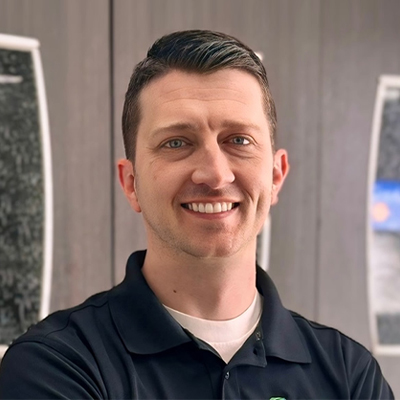
Chad Bodily, DDS
Connect on LinkedInDr. Chad Bodily, DDS, is a compassionate dentist with strong ties to the Mini-Cassia community. After graduating from Minico High School and serving a church mission in Portugal, he earned a bachelor's degree in Biology from BYU-Idaho and a Doctorate of Dental Surgery from the University of Iowa. Dr. Chad partners with his brother, Dr. Ty, to provide patient-focused care, treating everyone like family. Committed to professional growth, he is licensed in sedation dentistry, ensuring a comfortable experience for his patients. Dr. Chad values building strong patient relationships and considers his family his greatest joy and accomplishment.
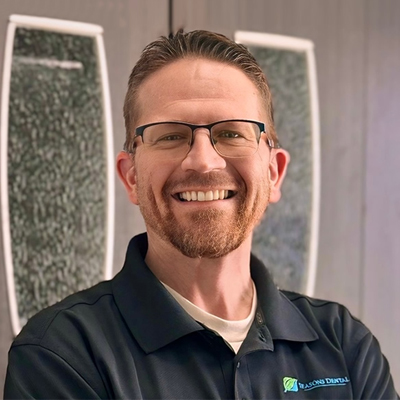
Ty Bodily, DMD
Connect on LinkedInDr. Ty Bodily, DMD, is a skilled dentist with deep roots in the Mini-Cassia area. A proud graduate of Minico High School and BYU-Idaho, he earned his Doctorate of Medical Dentistry from Nova Southeastern University in Florida. A highlight of his education was volunteering in Brazil, where he provided free dental care to underprivileged children. With post-graduate training from world-renowned experts in sedation, restorative, and cosmetic dentistry, he excels in reconstructing smiles, enhancing both health and self-esteem. Dr. Ty's passion for dentistry is matched only by his devotion to his family, whom he considers his greatest achievement and passion.