
03
Aug
Cracked a Tooth on a Saturday: What Counts as a Dental Emergency in Burley
Most dental problems that start on a weekend can wait until Monday without getting worse. A few cannot, and the difference is worth knowing before you are standing in a bathroom at ten at night trying to decide. The calls we field at Seasons Dental after hours split fairly cleanly into three groups: things that need attention within the hour, things that need attention in a day or two, and things that feel alarming but are stable.
Pain level is a poor guide. A lost filling can ache badly and pose no real risk, while an infection spreading into the jaw can be nearly painless for a day before it turns serious.
What needs to be seen right away, and what can wait?
Same day or sooner: a permanent tooth knocked completely out, a tooth pushed visibly out of position, facial swelling, throbbing pain that wakes you from sleep, or bleeding that has not stopped after twenty minutes of firm pressure.
Usually fine until the next business day: a chipped tooth with no pain, a lost filling or crown, a broken denture, a poking orthodontic wire, food wedged between teeth, or cold sensitivity that disappears within a few seconds. Cover a lost crown area with dental wax from the pharmacy, chew on the other side, and call Monday.
The two symptoms people underestimate are swelling and pain that lingers after heat. Pain that keeps going for thirty seconds or more after something hot, and that eases when you hold cold water on it, usually means the nerve inside the tooth is dying. That is not going to resolve on its own.
What do I do if a tooth gets knocked out?
Time is the whole game. The International Association of Dental Traumatology puts the best outcomes inside 30 minutes, with prognosis falling off sharply after the root surface has been dry for about an hour.
Pick the tooth up by the crown, never the root. If it is dirty, rinse it for about ten seconds under cold running water, then put it back in the socket and have the person bite gently on a clean cloth. If replanting is not possible, store it in cold milk, saliva, or a tooth preservation solution. Not tap water, which damages the root cells that make reattachment possible.
Baby teeth are the exception and should never be replanted. Pushing a primary tooth back into the socket can damage the permanent tooth developing above it. Rinse the mouth, control bleeding with pressure, and have it looked at within a day.
When is the emergency room the right call?
Go to the emergency department for swelling that reaches the eye or spreads under the jaw, trouble swallowing or breathing, fever with facial swelling, a suspected broken jaw, uncontrolled bleeding, or any head injury involving loss of consciousness. Those are medical emergencies where a dental office is not the right setting.
For a toothache, the ER is generally the wrong stop. Hospitals can image the area, prescribe antibiotics, and manage pain, but they do not perform root canals or routine extractions, so the tooth itself goes untreated and you are back where you started with a bill attached. The ADA’s Health Policy Institute has tracked roughly two million emergency department visits a year nationally for dental conditions, most of them for problems a dental office could have handled at a fraction of the cost.
What actually helps the pain overnight?
Over-the-counter anti-inflammatories, taken properly. A 2024 clinical practice guideline from the American Dental Association recommends nonsteroidal anti-inflammatories such as ibuprofen, alone or combined with acetaminophen, as first-line treatment for short-term dental pain in adults, ahead of opioids. Follow label dosing and check with your physician or pharmacist first if you take blood thinners, have kidney trouble, or have stomach ulcers.
Cold compress on the outside of the face, twenty minutes on and twenty off. Sleep with your head elevated. Do not place an aspirin tablet against the gum, which burns the tissue and does nothing for the tooth, and do not apply heat to a swollen face.
How Seasons Dental handles urgent visits
Call and describe what happened rather than trying to self-diagnose. Tell us when it started, whether anything is swollen, and whether the pain wakes you up. An emergency exam with a focused radiograph gets us to a diagnosis in one visit, and in most cases we can either treat the problem that day or get you comfortable and scheduled. Bring a list of your medications and any allergies. If a tooth has been knocked out, bring it in milk and head over rather than waiting for a callback. Our services and hours are listed at Seasons Dental.
Knowing which category your problem falls in saves an unnecessary trip on a Saturday and, in the cases that count, saves a tooth. Save this page, and when something happens, reach out to Seasons Dental and describe it. We would rather hear about it early than repair it later.
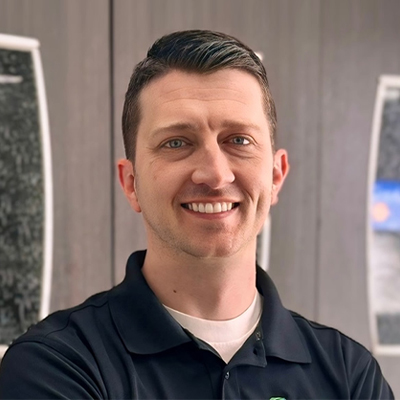
Chad Bodily, DDS
Connect on LinkedInDr. Chad Bodily, DDS, is a compassionate dentist with strong ties to the Mini-Cassia community. After graduating from Minico High School and serving a church mission in Portugal, he earned a bachelor's degree in Biology from BYU-Idaho and a Doctorate of Dental Surgery from the University of Iowa. Dr. Chad partners with his brother, Dr. Ty, to provide patient-focused care, treating everyone like family. Committed to professional growth, he is licensed in sedation dentistry, ensuring a comfortable experience for his patients. Dr. Chad values building strong patient relationships and considers his family his greatest joy and accomplishment.
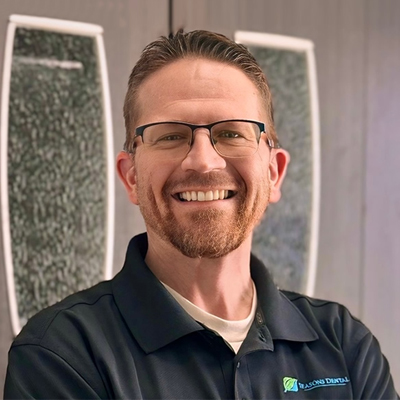
Ty Bodily, DMD
Connect on LinkedInDr. Ty Bodily, DMD, is a skilled dentist with deep roots in the Mini-Cassia area. A proud graduate of Minico High School and BYU-Idaho, he earned his Doctorate of Medical Dentistry from Nova Southeastern University in Florida. A highlight of his education was volunteering in Brazil, where he provided free dental care to underprivileged children. With post-graduate training from world-renowned experts in sedation, restorative, and cosmetic dentistry, he excels in reconstructing smiles, enhancing both health and self-esteem. Dr. Ty's passion for dentistry is matched only by his devotion to his family, whom he considers his greatest achievement and passion.