

05
Mar
5 Signs You Might Need a Root Canal: What Seasons Dental Wants You to Know
Most people hear “root canal” and brace themselves. The phrase has taken on a life of its own as shorthand for dental dread, which is unfortunate, because the procedure itself is typically no more uncomfortable than getting a filling. What actually calls for concern is ignoring the signs that you need one. At Seasons Dental in Burley, Idaho, Drs. Chad and Ty Bodily see patients regularly who waited too long before seeking care. In most cases, earlier treatment would have been far simpler.
Here is what to watch for.
1. Tooth Pain That Does Not Go Away
Persistent tooth pain is the most recognizable warning sign. Not the fleeting twinge you get when biting into something cold, but a deep, throbbing ache that either lingers on its own or intensifies with pressure. The discomfort may radiate into your jaw, ear, or neighboring teeth, making it hard to pinpoint exactly where it is coming from.
Pain like this often points to pulp inflammation or infection inside the tooth. The pulp is the soft tissue at the core of each tooth, containing nerves and blood vessels. When it becomes inflamed from deep decay or trauma, the nerve fires even without external stimulus.
2. Sensitivity That Lingers Long After the Trigger Is Gone
Most teeth respond to temperature changes. The concern is when that response sticks around well after the hot coffee or cold drink is gone. If you take a sip and the ache persists for 30 seconds or longer, that is a pattern worth discussing with your dentist.
Extended sensitivity usually means the nerve inside the tooth has been compromised. A healthy tooth reacts briefly and recovers. A tooth with damaged or dying pulp keeps sending distress signals.
3. Darkening or Discoloration of a Single Tooth
Internal tooth discoloration is easy to overlook, especially when it develops gradually. One tooth slowly turning gray or brownish while surrounding teeth stay white can indicate that the pulp inside has died or is beginning to die.
Trauma to a tooth, even from a knock you barely remember, can disrupt its blood supply over time. As the internal tissue breaks down, the tooth darkens from the inside out. Whitening treatments cannot reverse this type of discoloration because the source is internal, not surface staining.
4. A Pimple-Like Bump on the Gums
A small raised bump on the gum near a specific tooth, sometimes called a dental abscess or fistula, is your body attempting to drain an infection it cannot resolve on its own. It may resemble a whitehead, and it sometimes disappears and reappears. That cycling is not a sign the problem has cleared up. It means the infection is ongoing and finding a release valve.
Abscesses left untreated can spread beyond the tooth and gum tissue. The longer an active infection goes unaddressed, the more complex it becomes to treat.
5. Swelling, Tenderness, or a Tooth That Feels Loose
Swelling in the gum or jaw near a specific tooth, particularly when paired with tenderness, often signals an infection working below the surface. In some cases, bacterial activity from the infection can begin breaking down the bone that supports the tooth, causing it to shift slightly when pressed.
Swelling combined with mobility in a permanent tooth is one of the more serious symptom clusters. A tooth that once felt stable but now moves should be evaluated without delay.
What Happens If You Wait?
Dental infections do not resolve on their own. They tend to worsen, spreading to adjacent teeth and, in severe cases, into surrounding bone or soft tissue. A tooth that could have been saved with root canal therapy may eventually require extraction if the infection is allowed to progress.
Root canal treatment removes the infected or inflamed pulp, cleans and disinfects the canal space, and seals the tooth. A crown is typically placed afterward to protect it and restore full function. The tooth stays in place, looks natural, and works the same as any other tooth in your mouth.
When to Call a Dentist
If you recognize any of the symptoms above, especially persistent pain, prolonged sensitivity, or a gum abscess, do not wait to see whether things improve. Scheduling an evaluation early gives you more options and typically means simpler treatment.
The team at Seasons Dental uses digital X-rays and CBCT scanning to accurately assess what is happening inside a tooth and determine whether root canal therapy is the appropriate course of action. For patients who feel anxious about dental procedures, sedation options are available to keep the experience as comfortable as possible.
Tooth pain is your body communicating that something is wrong. Seasons Dental is here to help you understand what it is and take care of it before it becomes a larger problem.
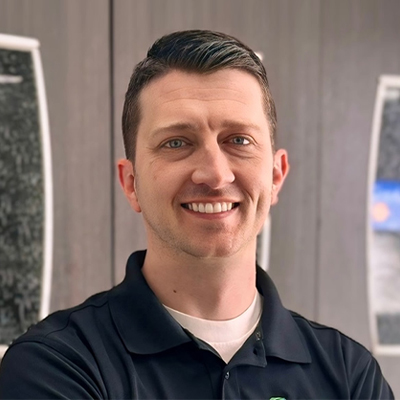
Chad Bodily, DDS
Connect on LinkedInDr. Chad Bodily, DDS, is a compassionate dentist with strong ties to the Mini-Cassia community. After graduating from Minico High School and serving a church mission in Portugal, he earned a bachelor's degree in Biology from BYU-Idaho and a Doctorate of Dental Surgery from the University of Iowa. Dr. Chad partners with his brother, Dr. Ty, to provide patient-focused care, treating everyone like family. Committed to professional growth, he is licensed in sedation dentistry, ensuring a comfortable experience for his patients. Dr. Chad values building strong patient relationships and considers his family his greatest joy and accomplishment.

Ty Bodily, DMD
Connect on LinkedInDr. Ty Bodily, DMD, is a skilled dentist with deep roots in the Mini-Cassia area. A proud graduate of Minico High School and BYU-Idaho, he earned his Doctorate of Medical Dentistry from Nova Southeastern University in Florida. A highlight of his education was volunteering in Brazil, where he provided free dental care to underprivileged children. With post-graduate training from world-renowned experts in sedation, restorative, and cosmetic dentistry, he excels in reconstructing smiles, enhancing both health and self-esteem. Dr. Ty's passion for dentistry is matched only by his devotion to his family, whom he considers his greatest achievement and passion.