
19
Oct
Your Dental Benefits Reset January 1: What Burley Patients Leave on the Table Every December
Every year around the third week of December, the phone at Seasons Dental starts ringing with people who just realized their benefits expire in ten days. Some of them we can fit in. Many we cannot, because the calendar is already full and a crown takes more than one appointment. The money that goes unused does not carry forward, and nobody sends a refund for it. A little planning in the fall is the difference between using what you paid for and starting over at zero.
What actually resets on January 1?
Three things on most plans: the annual maximum, the deductible, and the frequency allowances for procedures like cleanings and x-rays.
The annual maximum is the total dollar amount your plan will pay toward your care in a benefit year. The deductible is what you pay out of pocket before the plan starts contributing. Frequency allowances limit how often a given service is covered, such as two cleanings per year.
One detail catches people. Not every plan runs during the calendar year. Some reset on the employer’s plan anniversary instead, which might be July or October. Check which one applies to you before making decisions based on a December deadline.
How much is a typical annual maximum?
Most dental plans cap annual benefits somewhere in the range of $1,000 to $2,000, and that ceiling has barely moved in decades even as costs have risen.
Coverage tiers vary by plan, though a common structure pays a high percentage for preventive care like exams and cleanings, a lower percentage for basic work like fillings, and roughly half for major work like crowns and bridges. Newer plans sometimes include waiting periods before major services are covered at all.
Your specific plan is the only one that matters here, and the numbers above are general patterns rather than a description of your coverage.
Does unused coverage roll over into next year?
On most plans, no. If your maximum is $1,500 and the plan paid $400 toward your care this year, the remaining $1,100 disappears on the reset date.
A small number of plans include a carryover feature that banks part of an unused maximum for future use, usually with conditions attached. If yours has one, it is worth knowing the rules. Most people do not have it.
You paid premiums for twelve months whether you used the coverage or not.
What happens to FSA dollars?
Flexible spending account money is generally use-it-or-lose-it at the end of the plan year, though employers may offer a limited carryover amount or a grace period into the following year. Which option applies depends on how your employer sets the plan up.
Health savings accounts work differently. HSA funds belong to you and do not expire, so the year-end pressure that applies to an FSA does not apply the same way. Dental care is generally an eligible expense for both, and your plan administrator can confirm specifics.
How do you find out what you have left?
Call your insurance carrier, check the member portal if your plan has one, or ask our front desk to verify benefits for you. We can usually pull your remaining maximum, deductible status, and frequency history.
For treatment that has already been recommended, ask about a pre-treatment estimate. That is a request submitted to your insurer describing the planned work, which comes back with an estimate of what they expect to cover. It takes time to process, which is another reason to start in the fall rather than the last week of the year.
When does splitting treatment across two years make sense?
When the recommended work costs more than one year of coverage can be absorbed. Someone needing two crowns and a deep cleaning may exceed their maximum with the first crown alone.
Completing part of the treatment before the reset date and the rest after it can bring two annual maximums to bear on the same treatment plan. This only works when the timing is clinically appropriate. Nothing urgent should wait for a calendar, and postponing active infection or a cracked tooth to chase a benefit year is a bad trade.
One question worth asking your carrier: whether a crown is applied to the benefit year in which the tooth is prepared or the year the crown is seated. Plans handle it differently, and the answer affects how to schedule a two-visit procedure across the year boundary.
What Seasons Dental can sort out for you before the rush
We can verify your remaining benefits, map out which parts of a treatment plan fit in this year and which make sense in January, and submit a pre-treatment estimate so the numbers are in writing before you commit.
October and November are the right time for that conversation. By mid-December the schedule tightens, lab turnaround slows around the holidays, and the options narrow to whatever happens to be open.
Coverage details vary considerably between plans and employers, and your carrier is the final word on what yours pays.
If you have been putting off a filling, a crown, or a cleaning you are already owed, find out what your plan still covers while there is time to use it. Contact Seasons Dental and we will check your benefits and get the work scheduled before the end-of-year crunch.
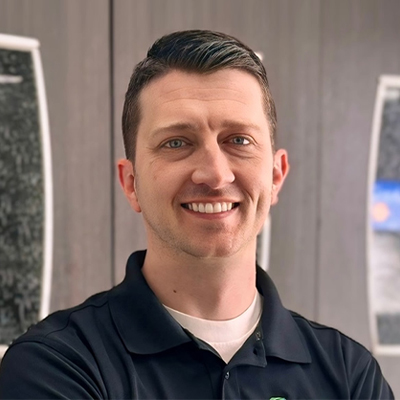
Chad Bodily, DDS
Connect on LinkedInDr. Chad Bodily, DDS, is a compassionate dentist with strong ties to the Mini-Cassia community. After graduating from Minico High School and serving a church mission in Portugal, he earned a bachelor's degree in Biology from BYU-Idaho and a Doctorate of Dental Surgery from the University of Iowa. Dr. Chad partners with his brother, Dr. Ty, to provide patient-focused care, treating everyone like family. Committed to professional growth, he is licensed in sedation dentistry, ensuring a comfortable experience for his patients. Dr. Chad values building strong patient relationships and considers his family his greatest joy and accomplishment.
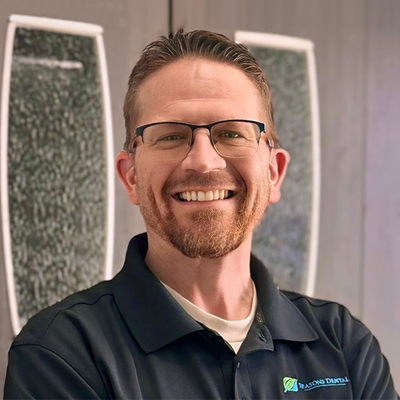
Ty Bodily, DMD
Connect on LinkedInDr. Ty Bodily, DMD, is a skilled dentist with deep roots in the Mini-Cassia area. A proud graduate of Minico High School and BYU-Idaho, he earned his Doctorate of Medical Dentistry from Nova Southeastern University in Florida. A highlight of his education was volunteering in Brazil, where he provided free dental care to underprivileged children. With post-graduate training from world-renowned experts in sedation, restorative, and cosmetic dentistry, he excels in reconstructing smiles, enhancing both health and self-esteem. Dr. Ty's passion for dentistry is matched only by his devotion to his family, whom he considers his greatest achievement and passion.