
09
Apr
Signs You Might Have Sleep Apnea (And When to Talk to a Dentist About It), From the Team at Seasons Dental
Most people who have sleep apnea do not know it. The condition tends to hide behind symptoms that feel like everyday tiredness, ordinary snoring, or just the cost of getting older. The team at Seasons Dental in Burley, Idaho regularly sees patients who have lived with the warning signs for years before connecting them to anything serious. Sleep apnea is one of the more under-diagnosed conditions in adult medicine, and a dentist is often the first person positioned to spot it.
What Sleep Apnea Actually Is
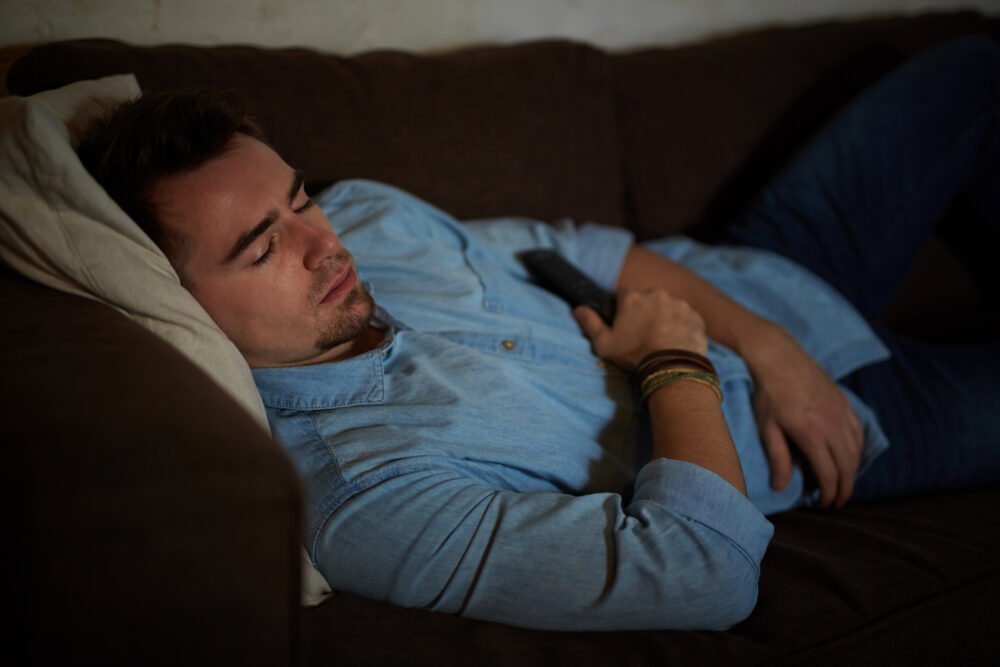
Sleep apnea is a disorder where breathing stops and restarts repeatedly during sleep. The most common form, obstructive sleep apnea, happens when the soft tissue at the back of the throat collapses and blocks the airway. Each pause in breathing pulls oxygen levels down and forces the body to partially wake up to restart breathing. Most people never remember these micro-awakenings, which is part of why the condition goes unnoticed for so long.
The cumulative effect is what causes harm. Years of fragmented sleep and repeated drops in oxygen put strain on the heart, raise blood pressure, increase the risk of stroke, contribute to weight gain, and quietly erode mental sharpness.
The Signs Most People Miss
Loud, persistent snoring is the symptom most associated with sleep apnea, but snoring alone does not confirm the condition. The pattern matters more than the volume. Snoring that is interrupted by silent pauses, followed by a gasp, choke, or snort, points strongly to obstructive sleep apnea. A bed partner is often the first to notice this rhythm.
Daytime sleepiness is the next major flag. Not the ordinary kind that follows a late night. Sleep apnea fatigue is the kind that sneaks up while driving, makes meetings hard to sit through, or has you nodding off in the afternoon despite a full night in bed. People often write this off as stress or aging.
Morning headaches are common and frequently overlooked. They tend to fade within an hour or two of waking and are caused by the drop in oxygen overnight.
A dry mouth or sore throat in the morning suggests you have been breathing through an open mouth for hours, which often happens when the airway is partially blocked. Waking up frequently to use the bathroom, even without drinking much before bed, is another quieter sign.
Mood changes are easy to miss. Irritability, low motivation, trouble concentrating, and memory lapses all show up before someone connects them to sleep. Patients often think they are simply burned out.
Signs a Dentist Looks For
There is a reason dentists ask about sleep, even during routine cleanings. Several physical clues show up inside the mouth long before a sleep study is ever ordered.
Worn-down or flattened teeth often indicate nighttime grinding, which is closely linked to sleep apnea. The body sometimes clenches and grinds in response to airway obstruction.
A scalloped tongue, with wavy indentations along the edges, suggests the tongue is being pushed against the teeth during sleep. A large tongue, a small or recessed lower jaw, a high-arched palate, or enlarged tonsils all narrow the airway and raise the risk.
Redness or irritation in the back of the throat from chronic mouth breathing is another visible clue. None of these signs confirm sleep apnea on their own, but in combination they form a picture that should not be ignored.
Risk Factors Worth Knowing
Sleep apnea is more common in adults over forty, in men, and in patients carrying extra weight, but it affects plenty of people who do not fit that profile. A neck circumference over seventeen inches in men or sixteen in women raises the risk. Family history matters. So does nasal congestion, smoking, and alcohol use close to bedtime. Children with large tonsils and adults who have noticed gradual weight gain often see symptoms develop together.
When to Talk to a Dentist
The right moment to bring it up is whenever you start asking the question. If you snore loudly, wake up tired no matter how long you slept, or recognize several of the signs above, your next dental visit is a reasonable place to start the conversation.
A dentist cannot officially diagnose sleep apnea. That requires a sleep study, usually ordered through a physician. What a dentist can do is screen for the warning signs, refer you for testing, and once a diagnosis is in hand, fit a custom oral appliance for patients with mild to moderate sleep apnea or for those who cannot tolerate a CPAP machine. These appliances are small, comfortable, and quietly effective for the right candidate.
Getting Answers at Seasons Dental
Sleep apnea is one of the few health issues where catching it early genuinely changes everything. The team at Seasons Dental screens for the signs during routine visits and works closely with patients who suspect they may have it. If the symptoms in this article sound familiar, schedule a visit and let the team help you decide whether a sleep study is the right next step.
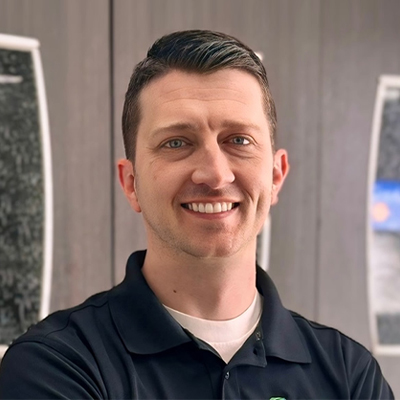
Chad Bodily, DDS
Connect on LinkedInDr. Chad Bodily, DDS, is a compassionate dentist with strong ties to the Mini-Cassia community. After graduating from Minico High School and serving a church mission in Portugal, he earned a bachelor's degree in Biology from BYU-Idaho and a Doctorate of Dental Surgery from the University of Iowa. Dr. Chad partners with his brother, Dr. Ty, to provide patient-focused care, treating everyone like family. Committed to professional growth, he is licensed in sedation dentistry, ensuring a comfortable experience for his patients. Dr. Chad values building strong patient relationships and considers his family his greatest joy and accomplishment.
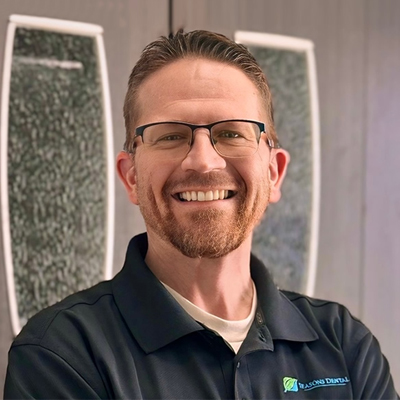
Ty Bodily, DMD
Connect on LinkedInDr. Ty Bodily, DMD, is a skilled dentist with deep roots in the Mini-Cassia area. A proud graduate of Minico High School and BYU-Idaho, he earned his Doctorate of Medical Dentistry from Nova Southeastern University in Florida. A highlight of his education was volunteering in Brazil, where he provided free dental care to underprivileged children. With post-graduate training from world-renowned experts in sedation, restorative, and cosmetic dentistry, he excels in reconstructing smiles, enhancing both health and self-esteem. Dr. Ty's passion for dentistry is matched only by his devotion to his family, whom he considers his greatest achievement and passion.