

16
Jun
Root Canals Aren’t What They Used to Be: 5 Myths Modern Dentistry Has Put to Rest
Tell someone they need a root canal and watch their face change. The procedure has carried a reputation for decades, mostly built on stories passed down from a time when dentistry looked very different. At Seasons Dental in Burley, we perform root canals that leave patients genuinely surprised by how routine the whole thing felt. The gap between what people expect and what actually happens has never been wider, and that fear keeps a lot of people from saving teeth they could easily keep. Clearing up the old myths is the first step toward making a smarter decision about your own care.
Myth 1: A root canal is unbearably painful
This is the big one, and it has it backward. The pain people associate with root canals is the pain of the infection that makes the treatment necessary, not the treatment itself. A tooth with an inflamed or infected nerve can throb relentlessly. The root canal is what stops that pain.
Modern anesthetics keep the area fully numb throughout. Most patients describe the experience as no worse than getting a filling. The relief afterward is usually the part they remember.
Myth 2: It’s better to just pull the tooth
Extraction can sound simpler, and sometimes cheaper up front, but losing a natural tooth sets off a chain of problems. Neighboring teeth drift into the gap. The bone beneath the missing tooth begins to shrink. Chewing changes, and replacing the tooth with an implant or bridge often costs more than the root canal would have.
Nothing functions quite like your own tooth. A root canal removes the damaged inner tissue while keeping the natural structure in place, which is why dentists try to save a tooth whenever it can reasonably be saved.
Myth 3: Root canals cause illness elsewhere in the body
This claim resurfaces online every few years, traced back to discredited research from nearly a century ago. The idea that a treated tooth seeds disease through the body has been studied repeatedly and found to have no scientific support. The American Association of Endodontists addresses this directly, and the research consistently backs the safety of the procedure. A root canal removes infection. Leaving that infection in place is the actual health risk.
Myth 4: The treatment takes several long, miserable visits
Technology has reshaped this part more than any other. Digital imaging, including the kind of CBCT scanning we use, lets us map the inside of a tooth with precision before we ever begin. Rotary instruments and better techniques have shortened the work considerably.
Many root canals now finish in a single appointment. More complex cases might need two. Either way, the marathon sessions people imagine belong to an earlier era of dentistry.
What the visit actually looks like
Here is the general flow, start to finish:
- The area is numbed completely before anything begins
- A small opening is made to reach the inner chamber
- The damaged tissue is cleared and the canals are cleaned and shaped
- The space is sealed to prevent reinfection
- A crown is often placed later to restore full strength
Most patients drive themselves home and return to normal activity the next day, sometimes the same day.
Myth 5: The tooth will never feel normal again
A properly treated and restored tooth can last a lifetime. Once the infection is gone and a crown protects the tooth, it blends back into your bite and your routine. You chew with it, brush it, and mostly forget it was ever treated.
The key is the restoration that follows. A back tooth especially needs a crown to handle the daily force of chewing, which keeps the treated tooth from cracking down the road.
Putting the fear to rest
If you have been avoiding a recommended root canal because of something you heard years ago, the reality of the procedure deserves a fresh look. You can read more about how we handle it on the Seasons Dental root canal therapy page, and the American Association of Endodontists offers patient-friendly answers to the questions that tend to linger.
Saving a natural tooth almost always beats losing one, and the patients at Seasons Dental who follow through on a needed root canal tend to wonder why they waited. If you have a tooth that aches, throbs, or has been flagged for treatment, schedule an exam and let us walk you through exactly what to expect. The procedure that once inspired dread has quietly become one of the most reliable ways to keep your smile intact.
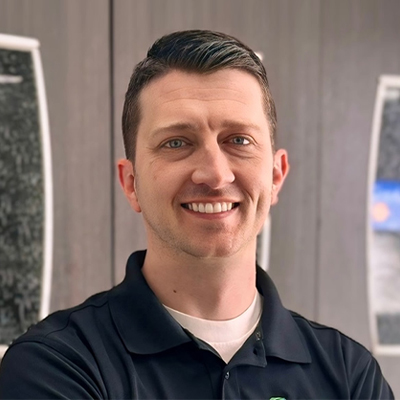
Chad Bodily, DDS
Connect on LinkedInDr. Chad Bodily, DDS, is a compassionate dentist with strong ties to the Mini-Cassia community. After graduating from Minico High School and serving a church mission in Portugal, he earned a bachelor's degree in Biology from BYU-Idaho and a Doctorate of Dental Surgery from the University of Iowa. Dr. Chad partners with his brother, Dr. Ty, to provide patient-focused care, treating everyone like family. Committed to professional growth, he is licensed in sedation dentistry, ensuring a comfortable experience for his patients. Dr. Chad values building strong patient relationships and considers his family his greatest joy and accomplishment.
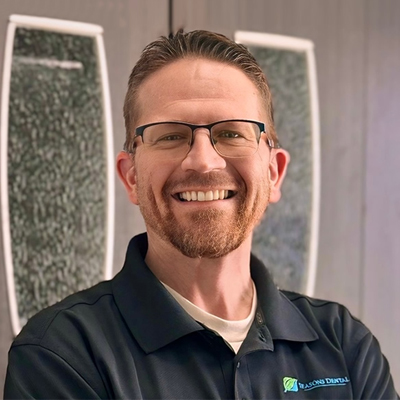
Ty Bodily, DMD
Connect on LinkedInDr. Ty Bodily, DMD, is a skilled dentist with deep roots in the Mini-Cassia area. A proud graduate of Minico High School and BYU-Idaho, he earned his Doctorate of Medical Dentistry from Nova Southeastern University in Florida. A highlight of his education was volunteering in Brazil, where he provided free dental care to underprivileged children. With post-graduate training from world-renowned experts in sedation, restorative, and cosmetic dentistry, he excels in reconstructing smiles, enhancing both health and self-esteem. Dr. Ty's passion for dentistry is matched only by his devotion to his family, whom he considers his greatest achievement and passion.